International travel involves many considerations, including transportation, accommodation and local regulations. For people interested in cannabidiol, commonly known as CBD, understanding the legal differences between countries is particularly important.
Although CBD products are available in several markets, their legal status can vary significantly depending on their ingredients, THC content and intended use.
What Is CBD?
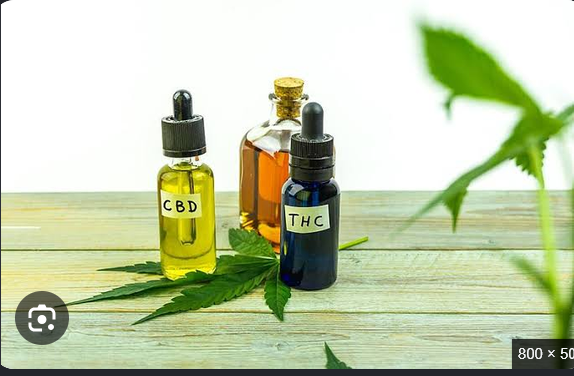
CBD is a naturally occurring cannabinoid found in cannabis plants. Unlike THC, it does not generally produce the intoxicating effects associated with cannabis.
CBD is commonly sold in oils, capsules, creams and cosmetic formulations.
However, some products may contain THC or other cannabis-derived substances, which can affect their legal classification.
Why CBD Laws Differ Between Countries
Countries have different approaches to cannabis-related products.
Some distinguish between hemp-derived CBD and products containing higher levels of THC. Others apply strict restrictions to cannabis extracts or products intended for human consumption.
Product classification can also influence whether additional approvals or licences are required.
Understanding Airport and Border Restrictions
Airports and border authorities may apply specific rules to cannabis-derived products.
A CBD product legally purchased in one country may not be permitted in another.
Travellers should not assume that carrying a product across an international border is allowed simply because it is sold legally at home.
Important Travel Considerations
Before travelling with CBD, individuals should:
Check the laws of their destination country.
Review transit-country restrictions.
Understand the product’s complete ingredient list.
Check relevant airline and customs requirements.
Obtain appropriate documentation when legally required.
For prescription cannabidiol medicines, travellers should also seek guidance about medical documentation and import permissions.
CBD and International Regulations
International rules can be complicated because cannabis-derived substances may be treated differently under national laws.
Travellers should consult official government, customs and embassy information rather than relying on general online discussions.
The Importance of Responsible Planning
Planning ahead can help prevent unexpected problems during international travel.
If the legal position is unclear, the safest option is to contact the relevant authorities before departure and avoid carrying the product until its legality is confirmed.
Conclusion
CBD regulations vary widely across international destinations. Travellers should understand local restrictions, ingredient requirements and customs rules before considering carrying CBD products abroad. Responsible planning and official legal information are essential for avoiding unnecessary travel complications.
Cannabidiol, widely known as CBD, has become one of the most discussed compounds in the modern wellness industry. Extracted from the cannabis plant, CBD is attracting attention from scientists, manufacturers, and consumers interested in understanding its properties and possible applications.
As the CBD market continues to expand, scientific research plays an increasingly important role in separating reliable information from unsupported marketing claims. Understanding the available evidence can help consumers make informed decisions about CBD products.
What Makes CBD Worth Studying?
CBD is different from tetrahydrocannabinol (THC), the cannabis compound primarily responsible for intoxicating effects. CBD does not produce the same high, making it an interesting subject for medical and scientific investigation.
Researchers are particularly interested in how CBD interacts with the endocannabinoid system and other biological pathways.
This system contributes to regulating several physiological functions, including mood, appetite, sleep, and pain perception.
Medical Research and CBD
One of the most established medical applications of cannabidiol is its use in prescription treatments for certain types of epilepsy.
Approved pharmaceutical CBD products are used for specific seizure disorders in certain countries. Their approval is based on clinical research and regulatory evaluation.
Scientists are also investigating CBD in relation to anxiety, inflammation, pain, and sleep difficulties. However, evidence varies between these areas, and many potential applications remain unproven.
Consumers should not assume that commercial CBD products provide the same benefits as approved prescription medicines.
The Role of Clinical Trials
Clinical trials help researchers understand whether a substance is effective and safe for particular medical conditions.
Well-designed studies examine different factors, including dosage, treatment duration, side effects, and interactions with other medications.
For CBD, additional large-scale clinical trials are needed to establish reliable conclusions about many proposed applications.
Research findings should also be interpreted carefully because results from laboratory experiments do not always translate into benefits for humans.
CBD Product Development
Scientific research has also influenced the development of CBD products.
Manufacturers are introducing different formulations, including oils, capsules, creams, and other consumer products.
However, the quality and composition of commercial CBD products can vary. Independent laboratory testing helps verify cannabinoid concentrations and identify unwanted contaminants.
Consumers should review product labels and laboratory reports before making purchasing decisions.
Safety and Possible Interactions
CBD may cause side effects such as fatigue, diarrhoea, and changes in appetite. It can also interact with certain prescription medicines and affect liver function.
People taking medication should consult a healthcare professional before using CBD.
Pregnant and breastfeeding individuals should avoid CBD unless specifically advised otherwise by a qualified healthcare professional.
It is also important to remember that unapproved CBD products should not replace prescribed medical treatments.
What Future Research May Reveal
Future CBD research may provide better information about its biological effects, possible therapeutic applications, appropriate dosages, and long-term safety.
Researchers are also investigating differences between CBD formulations and how individual factors may influence responses.
Stronger scientific evidence could help healthcare professionals and consumers understand which applications are supported by reliable research.
Conclusion
Scientific research is essential for understanding CBD and its potential applications. Although certain medical uses are already established, many popular claims still require further investigation. Consumers should rely on credible research, seek professional medical advice, and choose products with transparent quality information. Continued research will help determine the real possibilities and limitations of cannabidiol.
Product quality is an important consideration in the growing cannabidiol industry. As more CBD products enter the market, consumers need reliable information about ingredients, cannabinoid concentrations and manufacturing standards.
Product testing plays an important role in helping manufacturers demonstrate quality and transparency.
Why Is CBD Testing Necessary?
CBD products can differ considerably in their composition.
Some contain purified cannabidiol, while others include additional cannabinoids and hemp-derived compounds.
Testing helps establish whether a product’s actual contents match its label and whether certain contaminants are present.
What Does a Laboratory Test Examine?
Independent laboratories can conduct several types of tests.
Common testing categories include:
Cannabinoid concentration.
THC content.
Heavy metals.
Pesticide residues.
Residual solvents.
Microbiological contamination.
The exact testing requirements depend on the product category and applicable regulations.
Understanding Certificates of Analysis
A certificate of analysis, commonly called a COA, is a laboratory document describing the results of testing.
Consumers can use it to examine cannabinoid concentrations and other reported quality measurements.
A useful COA should identify the tested sample and include relevant laboratory information.
It is important to check that the report matches the product batch being purchased.
The Role of Manufacturers
Responsible manufacturers should maintain appropriate quality-control procedures throughout production.
This includes checking raw materials, monitoring manufacturing processes and testing finished products.
Accurate labelling and transparent communication also help consumers understand what they are purchasing.
Consumer Awareness and Product Safety
Consumers should avoid products with unrealistic health claims or missing testing information.
CBD can cause side effects and interact with certain medicines, so product testing alone does not guarantee that a product is safe for every individual.
Professional medical guidance remains important when considering CBD for health-related purposes.
Future of CBD Quality Standards
As the CBD industry develops, improved testing technology and more consistent standards may strengthen product transparency.
Better quality-control systems could also help responsible manufacturers distinguish their products in competitive markets.
Conclusion
CBD product testing is essential for improving manufacturing transparency and consumer awareness. Independent laboratory analysis, accurate labels and responsible production practices can help establish stronger quality standards throughout the CBD industry.Product quality is an important consideration in the growing cannabidiol industry. As more CBD products enter the market, consumers need reliable information about ingredients, cannabinoid concentrations and manufacturing standards.
Product testing plays an important role in helping manufacturers demonstrate quality and transparency.
Why Is CBD Testing Necessary?
CBD products can differ considerably in their composition.
Some contain purified cannabidiol, while others include additional cannabinoids and hemp-derived compounds.
Testing helps establish whether a product’s actual contents match its label and whether certain contaminants are present.
What Does a Laboratory Test Examine?
Independent laboratories can conduct several types of tests.
Common testing categories include:
Cannabinoid concentration.
THC content.
Heavy metals.
Pesticide residues.
Residual solvents.
Microbiological contamination.
The exact testing requirements depend on the product category and applicable regulations.
Understanding Certificates of Analysis
A certificate of analysis, commonly called a COA, is a laboratory document describing the results of testing.
Consumers can use it to examine cannabinoid concentrations and other reported quality measurements.
A useful COA should identify the tested sample and include relevant laboratory information.
It is important to check that the report matches the product batch being purchased.
The Role of Manufacturers
Responsible manufacturers should maintain appropriate quality-control procedures throughout production.
This includes checking raw materials, monitoring manufacturing processes and testing finished products.
Accurate labelling and transparent communication also help consumers understand what they are purchasing.
Consumer Awareness and Product Safety
Consumers should avoid products with unrealistic health claims or missing testing information.
CBD can cause side effects and interact with certain medicines, so product testing alone does not guarantee that a product is safe for every individual.
Professional medical guidance remains important when considering CBD for health-related purposes.
Future of CBD Quality Standards
As the CBD industry develops, improved testing technology and more consistent standards may strengthen product transparency.
Better quality-control systems could also help responsible manufacturers distinguish their products in competitive markets.
Conclusion
CBD product testing is essential for improving manufacturing transparency and consumer awareness. Independent laboratory analysis, accurate labels and responsible production practices can help establish stronger quality standards throughout the CBD industry.
The wellness industry is experiencing major changes as consumers become more interested in innovative ingredients and personalised self-care products. One compound attracting significant attention is cannabidiol, commonly known as CBD. Extracted from the cannabis plant, CBD has become an increasingly recognised ingredient in wellness, beauty, and personal care markets.
Unlike THC, CBD does not produce the intoxicating high commonly associated with cannabis. Its different properties have encouraged researchers to investigate its possible applications while manufacturers continue developing new product formulations.
A New Direction for Wellness Products
Consumer interest in CBD reflects a wider movement towards understanding product ingredients and exploring different wellness options.
CBD is now available in various formats, including oils, capsules, gummies, creams, and skincare products. Each formulation has different characteristics and is designed for a particular type of use.
However, consumers should understand that the availability of a product does not necessarily mean its advertised benefits have been scientifically established.
CBD and the Human Body
One reason CBD attracts scientific interest is its interaction with the body’s endocannabinoid system. This biological network contributes to regulating several functions, including mood, appetite, sleep, and pain perception.
Researchers are investigating how CBD interacts with this system and other biological pathways.
Prescription cannabidiol has established applications for certain seizure disorders. However, evidence supporting many other popular wellness uses remains limited.
Innovation in CBD Formulations
The growing CBD market has encouraged manufacturers to experiment with different formulations and delivery methods.
Some companies focus on CBD oils and capsules, while others develop topical creams and cosmetic products.
Product innovation also involves improving ingredient consistency, packaging, and laboratory testing. These developments can help manufacturers provide clearer product information and maintain quality standards.
CBD and the Beauty Market
The beauty industry has become another important area of CBD innovation. Cannabidiol is appearing in facial serums, moisturisers, body lotions, and other cosmetic formulations.
Researchers are exploring its potential antioxidant and anti-inflammatory properties. Nevertheless, more clinical research is needed to confirm specific cosmetic benefits.
Consumers should evaluate the complete formulation rather than choosing products based only on CBD marketing claims.
Choosing Reliable CBD Products
Selecting a suitable CBD product requires careful research. Consumers should consider several important factors:
Clearly stated CBD concentration.
Complete ingredient information.
Independent laboratory testing.
Reliable manufacturing practices.
Transparent product labelling.
Compliance with local regulations.
Laboratory certificates can help confirm cannabinoid concentrations and identify possible contaminants.
Safety and Responsible Use
CBD may cause side effects such as fatigue, diarrhoea, and changes in appetite. It can also interact with certain medications and affect liver function.
Anyone taking prescription medicines or managing an existing health condition should consult a healthcare professional before using CBD.
Pregnant and breastfeeding individuals should avoid CBD unless specifically advised otherwise by a qualified healthcare professional.
What Comes Next for CBD?
The future of CBD will depend on scientific discoveries, consumer education, and improved industry regulations.
Researchers are continuing to investigate its potential medical applications, while manufacturers are working towards better formulations and stronger quality-control procedures.
As reliable evidence develops, consumers may gain a clearer understanding of which CBD applications are genuinely useful.
Conclusion
CBD is contributing to changes in the modern wellness industry through product innovation and growing scientific interest. Although its potential applications are attracting attention, responsible use requires accurate information, realistic expectations, and reliable product testing. Continued research and transparent manufacturing will be essential for the industry’s long-term development.
Fitness and wellness have become important parts of modern lifestyles. People are increasingly interested in exercise, balanced nutrition and products that support their overall well-being. One ingredient attracting attention in the wellness industry is cannabidiol, commonly known as CBD.
CBD is a natural compound found in cannabis plants. It is commonly extracted from hemp and used in oils, capsules, creams and other consumer products.
Understanding CBD and Fitness
CBD does not produce the traditional intoxicating effects associated with THC. This difference has contributed to its popularity among people interested in wellness products.
Researchers are investigating how CBD interacts with biological systems involved in inflammation, pain perception and other bodily functions.
These areas of research have generated interest among fitness enthusiasts, although evidence supporting CBD as a sports recovery supplement remains limited.
CBD and Exercise Recovery
Physical activity places demands on muscles and other body systems. Proper recovery involves adequate rest, hydration, nutrition and appropriate exercise planning.
Some CBD products are marketed for muscle recovery and physical comfort. However, there is insufficient high-quality clinical evidence to establish that CBD improves exercise recovery or athletic performance.
Popular CBD Products in Fitness Markets
Several CBD products are marketed towards active consumers:
CBD topical creams and balms.
CBD oils and tinctures.
CBD capsules and softgels.
CBD skincare products.
Hemp-based personal care products.
Consumers should understand the ingredients and intended uses of each product.
Safety for Active Individuals
CBD may cause tiredness, digestive discomfort and changes in appetite. It can also interact with prescription medicines.
Athletes should be particularly careful about product testing because some CBD products may contain THC or other substances that could create problems under sports anti-doping rules.
Independent laboratory testing and professional advice are important.
The Future of CBD in Fitness
Scientific interest in CBD and physical activity continues to develop. Future research may provide clearer information about its effects on exercise recovery, physical performance and long-term safety.
Conclusion
CBD has attracted attention within the fitness and wellness industries. However, its role in athletic recovery and performance has not been firmly established. Consistent exercise, balanced nutrition and adequate rest remain the foundations of a healthy fitness routine.
The hemp industry has experienced growing interest as businesses and consumers explore new uses for plant-based materials and ingredients. One compound attracting particular attention is cannabidiol, commonly known as CBD. Extracted from hemp varieties of the cannabis plant, CBD has become an important part of conversations surrounding wellness, cosmetics, and modern product innovation.
Unlike THC, CBD does not produce the intoxicating high associated with cannabis. This distinction has encouraged scientific investigation and contributed to its increasing presence in consumer markets.
What Is the Connection Between Hemp and CBD?
Hemp and CBD are closely connected, but they are not the same thing. Hemp refers to varieties of the cannabis plant that contain low levels of THC within applicable legal limits. CBD is one of the many naturally occurring cannabinoids found in the plant.
Manufacturers extract CBD from plant material and process it into different formulations. These may include oils, capsules, creams, and other consumer products.
The quality of the final product depends on cultivation practices, extraction methods, purification, and manufacturing standards.
Innovation in the CBD Industry
As consumer interest increases, manufacturers are developing new ways to incorporate CBD into different products.
Some companies focus on liquid formulations, while others specialise in capsules, topical creams, and skincare products. Research and technological improvements are also helping manufacturers investigate more consistent extraction and testing methods.
This innovation is creating opportunities for businesses involved in agriculture, manufacturing, cosmetics, and product development.
CBD in the Beauty Industry
The beauty market has become an important area of CBD-related innovation. Various cosmetic brands have introduced CBD-containing moisturisers, facial oils, serums, and body creams.
These products are often marketed for their potential soothing and antioxidant properties. However, scientific evidence supporting many specific skincare claims remains limited.
Consumers should examine product ingredients carefully and choose formulations suitable for their individual skincare needs.
The Importance of Sustainable Production
Sustainability is another important consideration in the hemp industry. Responsible cultivation, efficient resource management, and environmentally conscious manufacturing can contribute to more sustainable production practices.
However, hemp cultivation is not automatically environmentally friendly. Its environmental impact depends on agricultural methods, water consumption, energy use, and processing requirements.
Manufacturers should provide transparent information about their sourcing and production practices.
Quality Control and Consumer Awareness
A growing CBD market makes product testing and accurate labelling increasingly important.
Consumers should look for:
Clearly stated CBD concentrations.
Independent laboratory testing.
Transparent ingredient information.
Reliable manufacturing standards.
Appropriate regulatory compliance.
Realistic product descriptions.
These measures can help consumers distinguish between transparent manufacturers and businesses relying on unsupported marketing claims.
Understanding Safety
CBD may cause side effects such as fatigue, diarrhoea, and appetite changes. It can also interact with certain medications, potentially changing their effects.
Anyone taking prescription medication or managing a health condition should consult a healthcare professional before using CBD. Pregnant and breastfeeding individuals should avoid CBD unless advised otherwise by a qualified healthcare professional.
Conclusion
CBD represents an interesting development in the expanding hemp industry. Its applications in wellness, cosmetics, and product innovation continue to attract attention. Nevertheless, scientific research, sustainable manufacturing, and transparent quality standards will be essential for the industry’s long-term development. As innovation continues, informed consumers will play an important role in shaping the future of CBD products.
The hemp industry has experienced growing attention as businesses explore new uses for hemp-derived materials. One important area of interest is cannabidiol, commonly known as CBD. Extracted from certain varieties of cannabis plants, CBD has become a valuable ingredient in several consumer markets.
Understanding Hemp Farming
Hemp is a variety of the cannabis plant that is cultivated for industrial and commercial purposes. Depending on the variety and growing conditions, hemp can be used to produce fibres, seeds, oils and other materials.
Certain hemp varieties are also cultivated for their cannabinoid content, including CBD.
Why Is Hemp Cultivation Important?
Hemp farming supports several industries, including textiles, construction, agriculture and personal care.
The plant can be processed into different materials, creating opportunities for farmers and manufacturers. Hemp cultivation may also contribute to agricultural diversification when suitable growing conditions and responsible farming practices are available.
CBD Extraction and Processing
After harvesting, hemp plants undergo processing to obtain different materials. CBD extraction involves separating cannabidiol from plant material.
Manufacturers may use different extraction and purification techniques depending on the intended product.
Proper processing is important because the final product should meet quality, purity and safety standards.
Opportunities in the CBD Market
The growing interest in CBD has created opportunities for businesses involved in farming, manufacturing, testing and retail.
Potential industry developments include:
Improved hemp cultivation practices.
Better extraction and purification technology.
More reliable laboratory testing.
Increased product transparency.
Development of new hemp-based applications.
However, businesses must understand local licensing and regulatory requirements.
Environmental and Economic Considerations
Hemp farming can provide additional income opportunities for agricultural communities. It may also offer useful applications for plant fibres and other agricultural materials.
Nevertheless, its environmental benefits depend on farming practices, water requirements, soil conditions, processing methods and transportation.
Conclusion
Hemp farming and CBD production represent growing areas of agricultural and commercial interest. Continued investment in responsible cultivation, modern processing and quality control may help the industry develop. Clear regulations and scientific research will remain essential for its long-term success.
CBD oil has become one of the most recognised products in the growing cannabidiol market. Extracted from cannabis plants, CBD oil contains cannabidiol, a compound that does not cause the intoxicating effects associated with THC.
As more consumers become interested in alternative wellness products, CBD oil has attracted attention for its possible effects on relaxation, sleep and certain health conditions.
What Makes CBD Oil Popular?
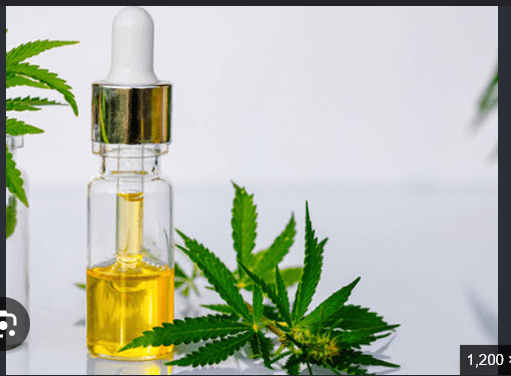
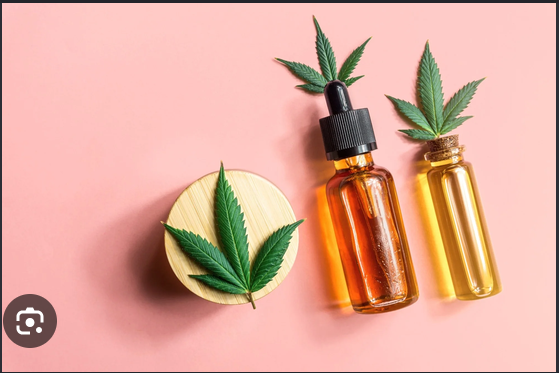
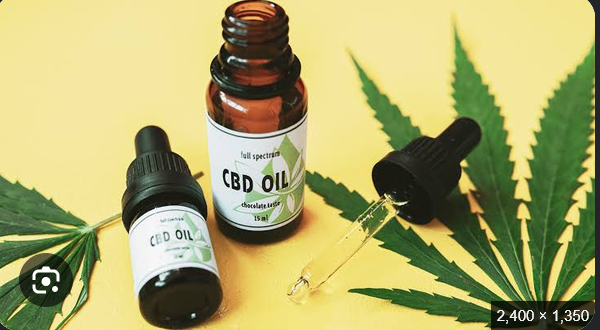
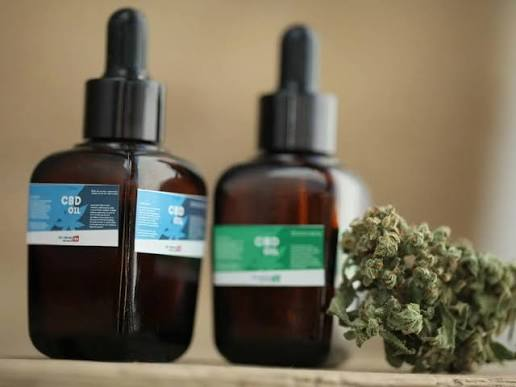
One of the main reasons behind the popularity of CBD oil is its convenient format. It is commonly sold in small bottles with droppers, allowing users to measure the amount of product they take.
CBD oil is available in different concentrations and formulations. Some products contain CBD alongside other hemp-derived compounds, while others contain purified cannabidiol.
Potential Applications of CBD Oil
Researchers are exploring several possible applications of CBD.
One important area is epilepsy. Prescription cannabidiol medicine has demonstrated effectiveness for certain rare seizure disorders.
Other research has examined CBD in relation to anxiety, sleep and chronic pain. However, evidence remains limited for many of these uses, and over-the-counter CBD oil should not be considered a proven treatment.
Choosing a Quality Product
Not all CBD oils are manufactured to the same standards. Consumers should consider several factors before purchasing:
Ingredients: Check the complete ingredient list.
CBD concentration: Understand how much cannabidiol the product contains.
Laboratory testing: Look for independent certificates of analysis.
Manufacturing standards: Choose transparent and reputable manufacturers.
Legal compliance: Ensure the product meets local regulations.
These steps can help consumers avoid products with inaccurate labels or unwanted contaminants.
Possible Side Effects
CBD can cause side effects, including fatigue, diarrhoea and changes in appetite. It can also interact with medications and may affect liver function.
Anyone considering CBD oil should consult a healthcare professional before use, particularly when taking prescription medicines.
CBD Oil and Future Research
Scientific interest in CBD oil continues to increase. Researchers are investigating its biological effects and potential therapeutic applications.
Future studies may provide clearer information about appropriate uses, safety and long-term effects.
Conclusion
CBD oil is an increasingly popular wellness product with several areas of scientific interest. However, consumers should distinguish between established medical evidence and marketing claims. Choosing tested products and seeking professional advice are important steps towards making informed decisions.vCBD oil has become one of the most recognised products in the growing cannabidiol market. Extracted from cannabis plants, CBD oil contains cannabidiol, a compound that does not cause the intoxicating effects associated with THC.
As more consumers become interested in alternative wellness products, CBD oil has attracted attention for its possible effects on relaxation, sleep and certain health conditions.
What Makes CBD Oil Popular?
One of the main reasons behind the popularity of CBD oil is its convenient format. It is commonly sold in small bottles with droppers, allowing users to measure the amount of product they take.
CBD oil is available in different concentrations and formulations. Some products contain CBD alongside other hemp-derived compounds, while others contain purified cannabidiol.
Potential Applications of CBD Oil
Researchers are exploring several possible applications of CBD.
One important area is epilepsy. Prescription cannabidiol medicine has demonstrated effectiveness for certain rare seizure disorders.
Other research has examined CBD in relation to anxiety, sleep and chronic pain. However, evidence remains limited for many of these uses, and over-the-counter CBD oil should not be considered a proven treatment.
Choosing a Quality Product
Not all CBD oils are manufactured to the same standards. Consumers should consider several factors before purchasing:
Ingredients: Check the complete ingredient list.
CBD concentration: Understand how much cannabidiol the product contains.
Laboratory testing: Look for independent certificates of analysis.
Manufacturing standards: Choose transparent and reputable manufacturers.
Legal compliance: Ensure the product meets local regulations.
These steps can help consumers avoid products with inaccurate labels or unwanted contaminants.
Possible Side Effects
CBD can cause side effects, including fatigue, diarrhoea and changes in appetite. It can also interact with medications and may affect liver function.
Anyone considering CBD oil should consult a healthcare professional before use, particularly when taking prescription medicines.
CBD Oil and Future Research
Scientific interest in CBD oil continues to increase. Researchers are investigating its biological effects and potential therapeutic applications.
Future studies may provide clearer information about appropriate uses, safety and long-term effects.
Conclusion
CBD oil is an increasingly popular wellness product with several areas of scientific interest. However, consumers should distinguish between established medical evidence and marketing claims. Choosing tested products and seeking professional advice are important steps towards making informed decisions.
I have spent several years inspecting portable electronic vaporizer devices and comparing their construction, heating components, and long-term maintenance requirements. My experience has involved examining different product designs, reading manufacturer specifications, and helping customers understand why two devices with similar appearances can have very different internal arrangements. I have always been interested in the engineering behind compact electronic equipment, particularly the way manufacturers balance heating elements, battery capacity, and physical dimensions. A dry herb vaporizer is a specialised device, and I believe understanding its construction is more useful than judging it by appearance alone.
The Engineering That Makes Each Vaporizer Different
Whenever I examine a new vaporizer design, I start by looking at the heating chamber and the materials used in its construction. Manufacturers commonly use ceramic, stainless steel, or other heat-resistant materials depending on the intended design and production requirements. Each material has different thermal and mechanical properties that influence how the chamber is engineered. I also examine the chamber dimensions because internal space affects the arrangement of surrounding electronic components.
Conduction and convection are two common heating technologies used in vaporizer products. Conduction transfers heat through direct contact with a heated surface, whereas convection relies on heated air moving through an internal chamber. Some manufacturers combine both methods to create hybrid systems. I find these differences useful when comparing technical specifications because the heating arrangement can influence the overall engineering of a device.
Temperature regulation is another feature I inspect carefully. Some models use basic preset controls, while others include digital displays with adjustable settings. A device offering one-degree increments may appear particularly precise, but the displayed setting does not necessarily represent the exact temperature throughout the chamber. I prefer manufacturers that explain their temperature-control systems instead of relying on impressive product descriptions.
I also pay attention to the arrangement of internal air channels. These components need to fit around the heating chamber and other electrical parts without creating unnecessary maintenance difficulties. Some designs provide easier access to removable screens and chamber components than others. In my experience, practical construction details deserve serious consideration during product research.
Finding Reliable Product Information and Comparing Models
I usually recommend starting with manufacturer documentation before comparing individual products. People researching a dry herb vaporizer can examine specialist retailers such as Sydney Vaporizers to review product categories and available specifications. I find that specialist retail websites can make it easier to identify differences between portable and desktop models. However, I always encourage checking the manufacturer’s technical information before making a purchasing decision.
Product descriptions should provide more than a collection of attractive photographs. I look for information about battery capacity, charging connections, chamber materials, physical dimensions, and warranty coverage. These details help me understand how a product has been designed and what its ownership requirements might involve. If a manufacturer leaves several important specifications unexplained, I become cautious about making assumptions.
I remember examining a compact electronic device last spring that looked considerably larger in its promotional photographs than it did in person. Its actual height was approximately 11 centimetres, making it much smaller than I initially expected. That experience reinforced my habit of checking measurements before comparing physical designs. Product dimensions are simple details, yet they can prevent unrealistic expectations.
I also compare the accessories supplied with different models. Some manufacturers include protective cases, charging cables, and removable components, while other products may require accessories to be purchased separately. I calculate these potential additional costs before judging the advertised price. A slightly more expensive product may have a different overall value once the included equipment is considered.
Portable Designs Versus Desktop Equipment
Portable vaporizers are generally designed around compact dimensions and rechargeable battery systems. Their smaller housings require manufacturers to arrange electronic components within limited internal space. I examine the weight and measurements because these characteristics provide a better understanding of the physical design than photographs alone. Battery accessibility is another feature I check during a comparison.
Desktop equipment follows a different engineering approach. These products generally have larger housings and may use external power connections instead of relying entirely on integrated rechargeable batteries. The additional space can allow manufacturers to incorporate different control arrangements and larger internal components. I consider the available storage area and electrical requirements before assessing this type of equipment.
Neither category should be evaluated through appearance alone. A portable device may have a sophisticated exterior while containing a relatively simple internal arrangement. Similarly, a larger desktop product may include more controls without necessarily being easier to maintain. I prefer examining the actual specifications and construction details rather than assuming that size determines quality.
Product weight can also reveal useful information. A model weighing around 150 grams has different physical characteristics from a desktop unit weighing several hundred grams. However, weight alone does not establish durability or technical quality. I always consider it alongside the housing materials, battery arrangement, and overall dimensions.
Battery Technology and Charging Arrangements
Battery performance is one of the most frequently discussed features in portable electronic equipment. Manufacturers usually describe battery capacity in milliampere-hours, commonly shortened to mAh. This measurement indicates electrical storage capacity, but it cannot independently predict operating duration. Power consumption, battery age, heating requirements, and environmental conditions also influence performance.
I generally prefer products with clearly documented charging arrangements. USB-C connections are common in modern electronics, although some specialised devices still use different charging systems. The availability of compatible charging accessories can make ownership more convenient. I would still follow the manufacturer’s instructions rather than assuming that every USB-C power adapter is suitable.
Battery protection is equally important. Properly designed electronic equipment may include protective systems intended to manage excessive charging, discharge, or electrical faults. The specific features depend on the manufacturer and model. I recommend checking technical documentation rather than assuming that every product offers identical protection.
Storage conditions can influence rechargeable battery performance over time. Excessive heat and physical damage can create problems, particularly when electronic equipment is left inside a hot vehicle. I recommend storing devices according to the manufacturer’s instructions and avoiding direct sunlight. A battery that becomes swollen or unusually hot should never be ignored.
Cleaning Access and Long-Term Maintenance
I have found that maintenance requirements are often overlooked during the initial purchasing process. Removable screens, chamber sections, and mouthpiece components may require periodic inspection depending on the manufacturer’s design. I always recommend reading the cleaning instructions before handling these parts. The device should be switched off and completely cool before any permitted maintenance begins.
Some products have straightforward removable components, while others contain sealed electronic assemblies that are not intended for owner servicing. I prefer designs that clearly explain which sections can be maintained safely. Trying to dismantle sealed components can damage internal connections and may affect warranty coverage. A well-written instruction manual can prevent many unnecessary problems.
Replacement accessories also deserve attention. I check whether manufacturers supply compatible screens, seals, mouthpieces, and other removable parts. I once encountered an older electronic product whose owner had difficulty finding a replacement component despite the rest of the device remaining functional. Situations like this demonstrate why replacement-part availability should be considered before purchasing.
I also examine the quality of the storage accessories. A properly fitted protective case can reduce scratches and accidental impacts during transport. Electronic products should be stored in dry conditions and kept away from children and pets. Following the manufacturer’s storage recommendations can help prevent avoidable equipment damage.
Product Quality, Warranty Coverage, and Customer Support
Manufacturer support is one of the first things I investigate when reviewing an unfamiliar electronic brand. I look for clear contact information, warranty documentation, and details about replacement components. Some manufacturers provide separate warranty conditions for batteries and electronic assemblies. I read these conditions carefully because coverage can vary between individual components.
Construction quality also influences my assessment. I inspect the buttons, charging ports, removable covers, and external housing for signs of poor assembly. Loose connections or unevenly fitted components can create practical problems over time. These observations do not guarantee future reliability, but they provide useful information about the physical product.
Independent reviews can help identify recurring concerns. I pay particular attention to repeated comments about battery failures, charging problems, or difficult maintenance arrangements. One negative review may describe an isolated problem, so I avoid treating individual experiences as universal evidence. Several consistent reports can provide a more useful reason to investigate a particular product further.
Price is another factor I consider carefully. A higher advertised price does not automatically establish better construction or longer product life. I compare the specifications, warranty arrangements, included accessories, and replacement-part availability before reaching an opinion. This approach gives me a clearer understanding of what the manufacturer is actually offering.
Responsible Ownership and Health Considerations
I believe responsible product research should include health and safety information. A dry herb vaporizer’s heating technology does not establish that inhaling heated plant material is harmless. Potential respiratory risks remain relevant, and exposure can depend on the material, contaminants, and individual health circumstances. Anyone considering inhaled products should seek appropriate medical advice rather than relying on product marketing.
Legal requirements should also be checked before purchasing or possessing specialised equipment. Rules concerning cannabis, medicinal cannabis, and related accessories differ between countries and jurisdictions. I would never assume that an online retailer’s willingness to display a product means that importing or possessing it is lawful everywhere. Checking the applicable local requirements is a sensible part of product research.
I also distinguish between verifiable specifications and promotional statements. Battery capacity, physical dimensions, charging connections, and listed materials can generally be checked against manufacturer documentation. Claims about long-term reliability or performance may require additional independent evidence. I prefer making decisions based on information that can be examined rather than exaggerated advertising language.
After years of examining compact electronic equipment, I have become particularly interested in the details that influence ownership after the initial purchase. I pay close attention to internal construction, battery arrangements, maintenance access, and manufacturer support instead of concentrating entirely on exterior design. Anyone researching a dry herb vaporizer should also consider applicable regulations and the potential health implications of inhaled products. A careful review of the available information is a sensible starting point for understanding these specialised devices.